
Why a V-Shaped Recovery Changes Everything


On the heels of better-than-expected May jobs data, many of the previous dire economic predictions have been completely upended. The report showed that the U.S. economy added 2.5 million jobs last month — lowering the unemployment rate from 14.7% to 13.3%. Countless experts and pundits had projected that an added 7.5 million jobs would be lost, creating a 10-million-job delta forecast error.
The economy did lose over 20 million jobs in April bringing widespread comparisons with the Great Depression, and it was only in late March that the St. Louis Fed warned that unemployment could reach 32%. So, did we just emerge from the shortest recession in history?
This is not to say that there has not been an economic infarction. There has been. The rate and speed of economic decline in March and April far surpassed what we experienced during the Great Recession as the restaurant, travel, hotel, transportation and energy sectors were brought to a standstill amid the coronavirus shut-downs.
As America continues to reopen, there has been much discussion about what the “recovery” will look like. What many expected to be an extended downturn with years of malaise before a gradual upswing (a “U” shaped recovery) — is now looking more like a quick, sustained economic rebound (a “V” shaped recovery). So, what does this mean for money and investing? In a word — everything.
In times of economic crisis, investors have been conditioned to pile into dividend stocks, consumer staples, and precious metals in order to reduce market risk and preserve wealth. These assets are safe and fairly static. But real estate is also a reliable hedge and one of the most powerful ways to build wealth in America. What you buy, where you buy, and the economic climate that you buy in, however, matters greatly.

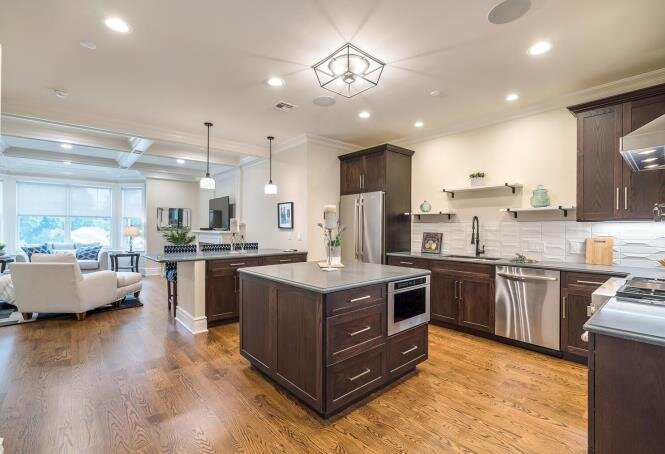
Investing in prime, Class A properties in high- income areas outside of today’s urban centers is not only smart risk management but could help investors log substantial gains in the coming post- COVID urban fallout.
Class A properties are beautifully built and feature an array of dreamy amenities and designer finishes. They’re located in suburban trend-zones with access to the most popular restaurants, hottest attractions, and finest schools all within reach of vibrant cultural outposts.
Properties like these tend to attract wealthier buyers, tenants and urban dwellers looking to trade up, spread out, or just get away from the maddening crowd. Class A buildings are also newer, lower maintenance and professionally managed. Add high-income tenants, and you have a recipe for stable and steady cash flow.
“Don’t wait to buy real estate, buy real estate and wait,” is a motto often touted by those captivated by real estate’s timeless record of appreciation. Right now, it also serves as a not-so-subtle recommendation of where to put your money during the ascending “V” recovery that has already commenced.
Despite the shut-down slump and the quarantine contraction, real estate has remained solid. In the wake of COVID-19, space and distance have emerged as the most sought-after features of next generation housing. And an investment in state-of-the-art apartments and condominiums in supply constrained urban markets — represents an unprecedented opportunity to pivot your portfolio from safety to growth.
Click here for more information on “V-shaped Recovery” opportunities.
