
When It Comes to Investing, This Is Not the Time to Be Soft

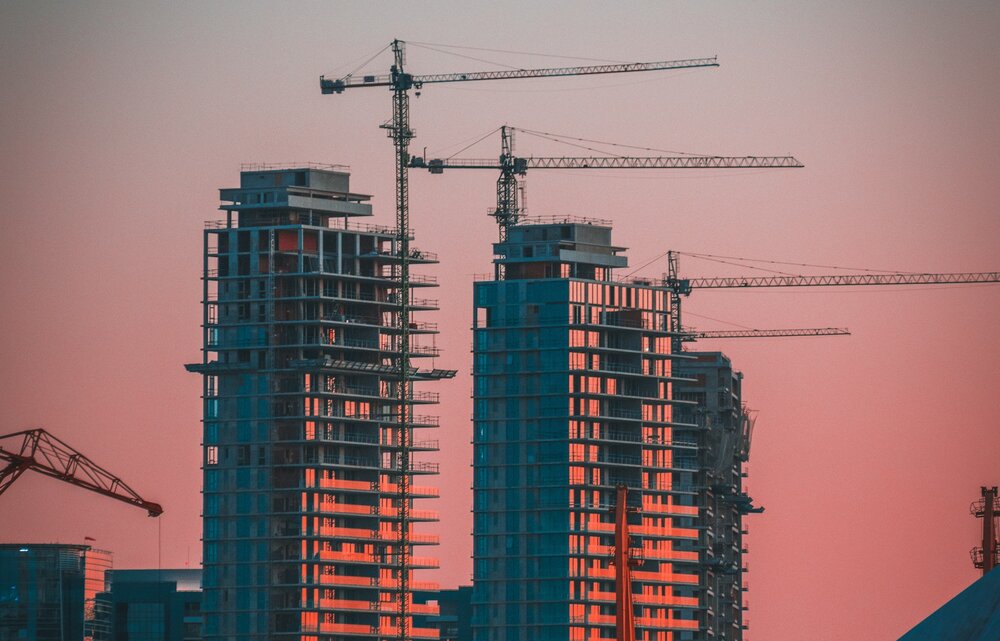
It has been quite a year ... impeachment, trade wars, a pandemic, riots and gloomy economic indicators. If you’re not thinking about getting into hard assets, now would be the RIGHT TIME to start.
The case for hard assets as part of a diversified portfolio can be made at any time but it couldn’t be more compelling than at this moment in time.
So, what is a hard asset, and why is now the ideal moment to jump in? In simple terms, hard assets are those things we can touch and hold. They’re physical and tangible financial instruments like precious metals, heirlooms and especially real estate. Hard assets are relatively simple to understand. They either have fundamental value and satisfy a need as in the case of oil, aluminum and housing — or they generate future value as in the case of gold, silver and art.
Hard assets are palpable and perceivable and not based on paper and promises.
Because of this, they tend to hold up well against speculative valuation bubbles or sudden systemic market ripples. The case for the long-term performance of hard assets is particularly persuasive in the wake of COVID-19 as the risk to soft assets has significantly increased.
Earlier this year, Investopedia listed the “6 Investing Mistakes that the Ultra-Wealthy DON’T Make” and putting money exclusively into ‘Intangible Assets’ like stocks, bonds or mutual funds is among them. Hard assets, on the other hand, are a favored resource for those looking to acquire or protect wealth. This asset class tends to function as a reliable crisis hedge and provides the context for significant future gains.
But all hard assets are NOT created equal — some are non-productive, others are inert while still others produce neither cash flow nor dividends.
Real estate, is different, however. There are several real estate investing opportunities that offer steady income, long term appreciation, and critical diversification to help protect against market risk and economic volatility. Real estate also provides a host of tax benefits and money-saving deductions.
According to The Atlantic, between 2011 and 2017, some of the world’s largest private-equity groups and hedge funds spent a combined $36 billion on more than 200,000 homes in markets across the country. Last year CNBC surveyed several millionaires to see if real estate is still a preferred investment among capitalists and industrialists. American businesswoman, investor and television personality Barbara Corcoran stated, “Buying real estate has made me rich.” Peter Hernandez, president of Douglas Elliman’s Western Region, concluded that, “Real estate consistently increases in value over time and outperforms other investments.” Property mogul Grant Cardone maintained that “Real estate is real, and it’s always a good idea to put your money in real assets.” While Robert Martinez, the founder and CEO of Rockstar Capital declared, “There’s an opportunity for greater and more consistent returns with real estate than with other investments. When a property is built, it’s because a group of people see a population large enough to justify it.”
Investing is a delicate balance of big upsides and risky downsides, handsome gains and dramatic losses, and soaring values versus dwindling purchasing power over time.
And according to Kiplinger, many of us keep making the same mistakes over and over by remaining complacent, trying to time the market, not fully diversifying, and failing to address the weighty impact of future taxes. In this sense, real estate as a hard asset seems to have it all — long-term appreciation, wealth preservation, mega tax perks and the potential for steady cash flow and monthly payouts.
For more information about low-risk, high-return real estate opportunities click here.
