
New POST-COVID Guidelines for Safe Investing as America Re-Opens


“Man is by nature a social animal,” said Aristotle in his treatise Politics back in 350 B.C. The legendary Greek philosopher maintained that humans cannot live alone and that society is an essential part of human progress. Thousands of years later, the lockdowns and quarantines that we endured earlier this year brought this very close to home. America may have been #AloneTogether, but it certainly didn’t feel that way. We’ve since taken extraordinary measures and gone through great lengths to see each other again.
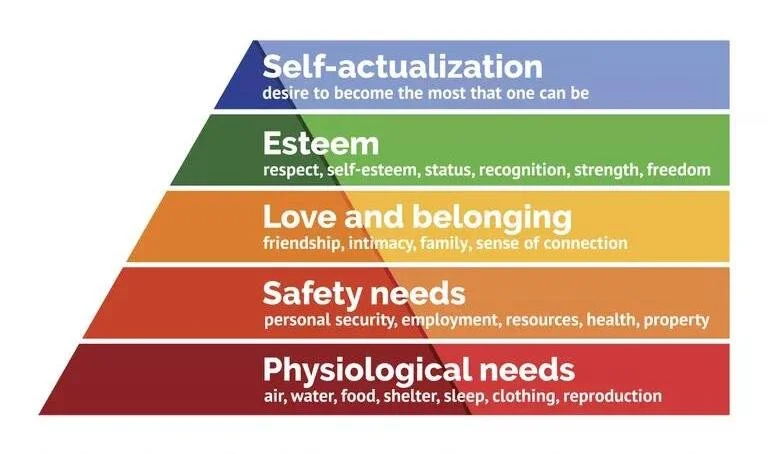
Maslow’s Hierarchy of Needs
Abraham Maslow, one of the most renowned psychologists of the twentieth century and creator of the famed “Hierarchy of Needs,” lists Safety, which includes economic security, as a basic human need. Indeed, the need for a safe place and a safe haven has been a universal sentiment these past few months. There has been scant discussion, however, about financial peace of mind, much less any post-pandemic guidance with respect to safe money and secure investing.
Since the CDC has issued guidelines about how we should protect ourselves from contracting the virus as the world re-opens, we’ve decided to issue some guidelines about how to protect your money from risk as the economy recovers.
DIVERSIFY NOW
Each day businesses are pivoting and adapting to a new Post-COVID world order, and investors must do the same. As corporations emerge from their crisis posture, they’ll likely face weaker demand, slower growth and softer numbers. This will put pressure on share prices in the coming months and could result in phased sell-offs. Diversifying assets helps to protect against this type of risk, particularly for those heavily vested in equities.

Overall, the markets remain on edge due to the continued spread of the virus. Infections are again on the rise and 12 states have now confirmed a record high number of new cases including Arizona, California, Florida, Georgia, Missouri, Montana, Nevada, Oklahoma, South Carolina, Tennessee, Texas, and Utah.
There’s growing fear that this new outbreak could slow or reverse the phased re-opening of U.S. businesses and trigger more wild swings on Wall Street. Traders are also weighing the impact of a possible second and third wave of the virus later in the year. This is a critical time to diversify away from paper assets like stocks and bonds — as they will likely remain under pressure. There’s also evidence that a spike in new COVID-19 cases is weakening the dollar’s safe-haven appeal.
CONSIDER THIS HARD ASSET
When we consider the financial fallout of a submicroscopic infectious agent, there’s something comforting about acquiring an asset that we can actually see and feel. Hard assets are tangible, touchable, and real. They tend to retain their value long-term despite dramatic contractions in equities. They have historically been the diversification tool of choice for those looking to reduce volatility and boost returns, particularly during times of economic uncertainty.

Real estate, in particular, has proven to be resilient to all kinds of market mayhem. For generations, U.S. real estate has steadily appreciated, delivered stable returns, and provided long-term financial security for countless investors. It is a practical asset that not only enjoys universal demand, but recurring cycles of supply shortages. Perhaps the best part of investing in real estate, however, is that its value proposition is not contingent upon a market collapse or broader economic Armageddon. It can thrive in both recessionary periods and robust recoveries.
In the wake of COVID-19 and nationwide stay-at-home orders, consumer real estate demand will likely shift to bigger, flexible spaces in vibrant urban markets and fast-commute suburbs. Dwellings touting healthy living, spacious rooms, premium amenities, high tech home office options, and energy efficiency will be particularly desirable.
BE SURE TO GET A PAYOUT
In the post-Covid economy, a steady income stream will also go a long way toward making us feel safe again. The majority of hard assets, however, don’t pay out. It’s important to find one that does. Income-producing assets provide steady cash flow and predictable returns. Compare this to the financial jitters displayed throughout the year. “1,000 points here, 1,000 points there, and now you’re talking about real stock moves,” declared MarketWatch back in March. In April, The New York Times stated, “Fears are growing that the worldwide economic downturn could be especially deep and lengthy.” And just this month from ABC News, “The U.S. economy entered a recession in February, a group of economists declared … ending more than a decade of steady if slow growth.”
Add rising unemployment, retail bankruptcies, and political uncertainty — and any asset that does not offer a return-on-investment is simply not worth the risk. Assets that payout like integrated real estate funds are the ultimate safety net. Positive cash flow supplements your income, provides added retirement revenue, fuels your net worth, and will help make your portfolio recession resilient.
We will all eventually get to a place where the pandemic no longer controls our movements or our money, but the decisions we make now will determine how healthy we are when we arrive. Through containment, treatment and vaccination — we’ll survive the pandemic — and through careful choices, smart investing and select assets we’ll achieve greater peace of mind in the process.
To find out more about our safe money and secure investing guidelines, click here.
